“The Government Blame Game: Revisiting the 2008 Crash”
👉 For more insights, check out the full book and audio summary here 📖
📕 Transcript and audio of this episode is available here for free
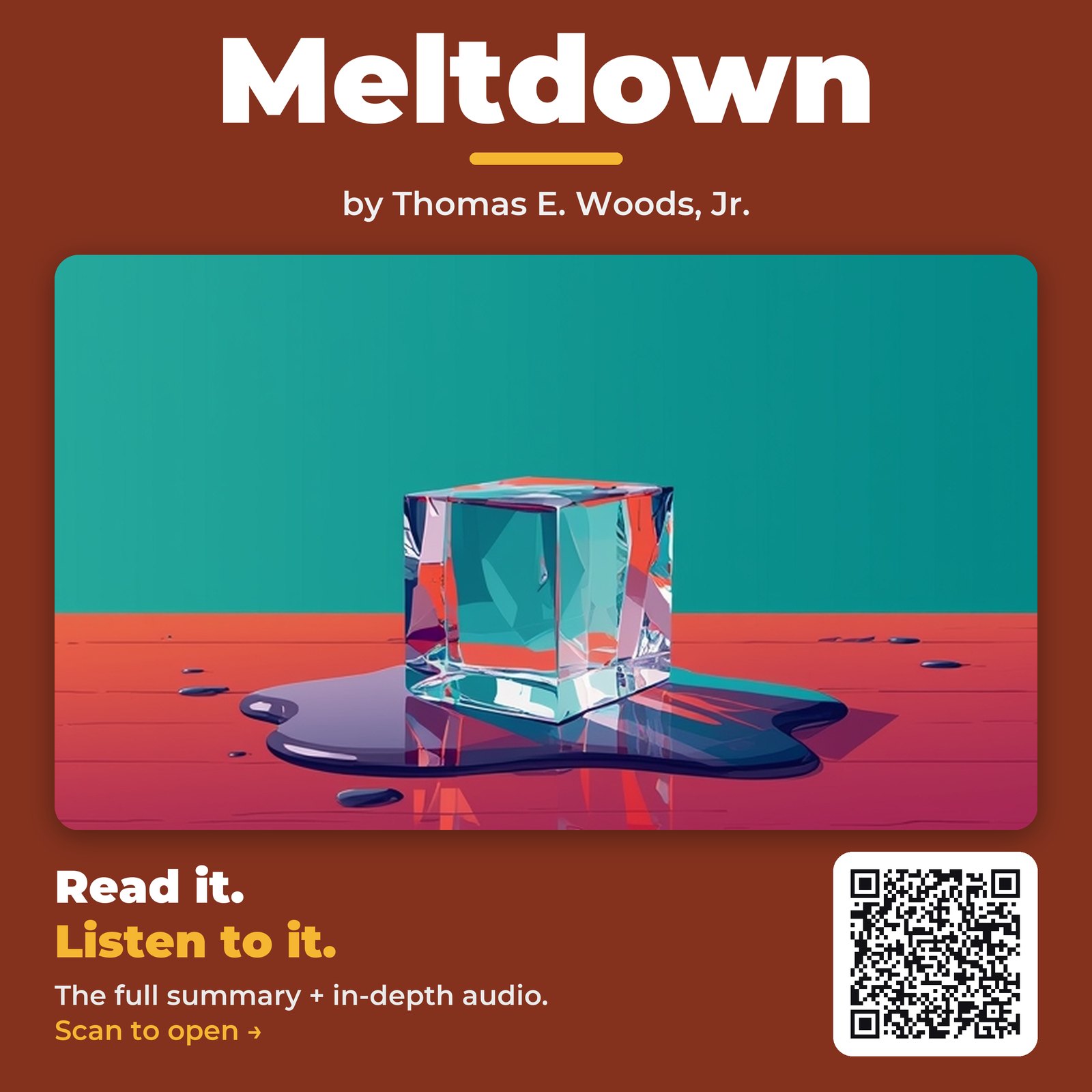
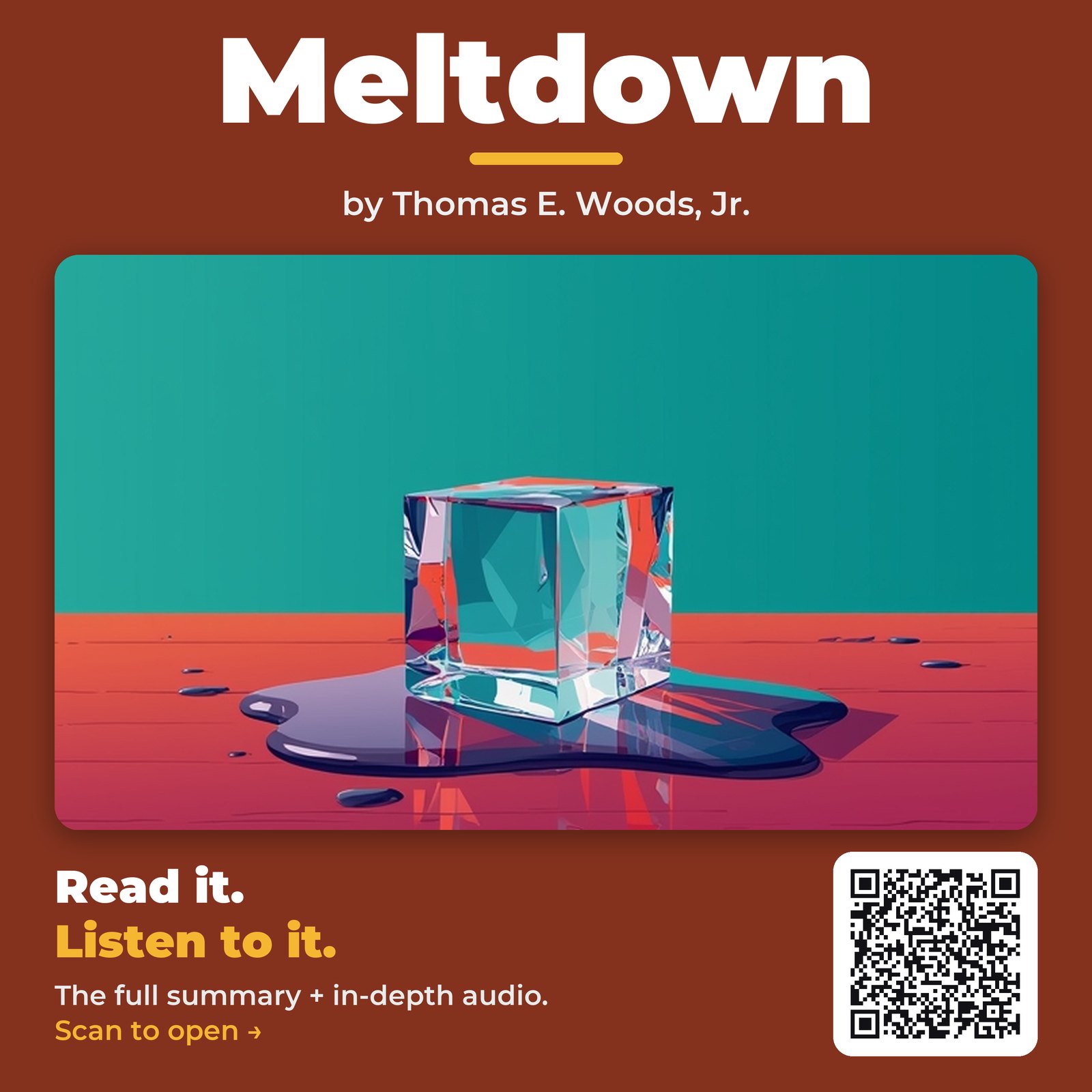
Title: Meltdown
Author: Thomas E. Woods, Jr.
Category: Personal Finance & Investing, Economics & Global Markets
What if the 2008 financial crisis wasn't a market failure at all, but a government one? Sam and Sophie open Thomas E. Woods Jr.'s Meltdown with exactly that question, and it reframes everything that follows.
They walk through the Austrian School case: the Fed holding interest rates too low for too long, the artificial boom that followed, and the NINJA and liar loans that cheap credit made inevitable. Fannie Mae and Freddie Mac get a chapter of their own as the engines of the housing mania rather than its victims, and the bailouts are named for what Woods calls them — crony capitalism and moral hazard. The pair also take on the Community Reinvestment Act, the Fed's knowledge problem, mark-to-market accounting, and the ratchet effect that turns each crisis into more intervention.
If you've only heard the standard narrative — greedy bankers, a black swan, regulation as the fix — this episode gives you the strongest version of the other side. The takeaway: even if you don't buy all of it, Woods makes you question the role of government in the economy.
Meltdown by Thomas E. Woods Jr. is a challenging read, and the full written summary is on the 7 Minute Books app at 7minutebooks.com/app — over 6,000 fiction and nonfiction titles you can read or listen to in any language, plus infographics on many titles. Unlimited access from $2.99 a month, $9.99 a year, or $19.99 lifetime.
Chapters
00:00The Fed And The Artificial Boom01:37Fannie, Freddie, And The Housing Mania02:06Bailouts As Crony Capitalism02:49Regulation And The Fed's Knowledge Problem03:56White Swan, Mark To Market, Ratchet Effect04:43Takeaway: Questioning The Interventionist State
Topics
Related episodes